Home » Storm & Hail Damage in Texas – Keeping Your Roof Safe
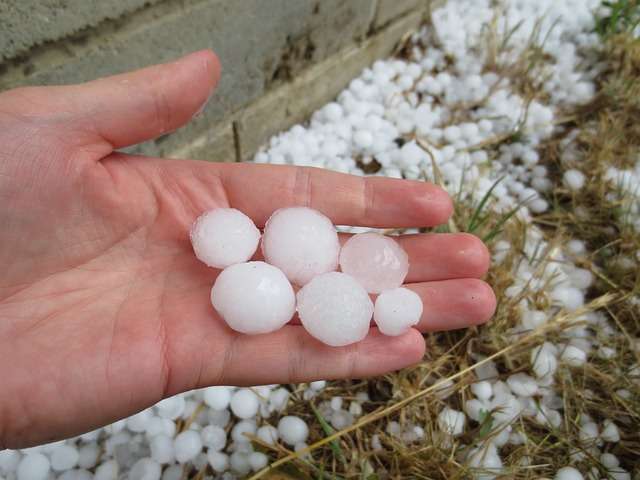
In the Lone Star State, we’re accustomed to the vastness of the skies and the temperamental whims of Mother Nature. While we love our Texan sunsets and wide-open spaces, we’re no strangers to the powerful storms that sometimes come our way. Among the common natural challenges we face, hail storms are particularly damaging, leaving homeowners worried about the condition of their roofs.
Understanding the potential threats and implementing protective measures can significantly safeguard your property against storm and hail damage in Texas. Also, find out how HUF Construction can help keep your roof safe before and after a hailstorm.
The Power of Texas Storms: An Overview
Every year, Texas experiences a high frequency of storms, including severe hail storms. These storms are responsible for considerable damage to homes, automobiles, and infrastructure. According to the Insurance Information Institute, Texas has consistently led the United States in the number of hail events, with 508 reported in 2020 alone. The roof is a major part of a home that takes a significant beating during such storms.
The impact of hail stones can break, crack or dislodge the protective granules from shingles, damage metal roofs, and create vulnerabilities that may not always be visible to the untrained eye. These vulnerabilities can lead to leaks and further roof degradation over time.
Recognizing Hail Damage
Hail damage can manifest in several ways, depending on the type of roofing material.
Asphalt Shingles: Hail can cause the granules that protect the shingle from sunlight and water to loosen and fall off. This can accelerate aging and lead to cracks and leaks.
Metal Roofs: While typically more resistant to hail, metal roofs can still sustain damage such as dents or impact marks.
Wood Shingles: Wood shingles can crack or split from the force of hail, leading to potential water damage.
Remember, not all damage is obvious from the ground, and sometimes signs of damage only become apparent when leaks occur.
Proactive Measures to Protect Your Roof
To better protect your home and maintain the integrity of your roof, consider these proactive steps:
Regular Inspections: Professional roof inspections can help detect early signs of damage and potential weaknesses that could be exploited by hail or storms. Having a routine inspection at least once a year is a good practice. Roof Maintenance: Regular maintenance, including replacing worn-out shingles and sealing any identified leaks, can prevent minor damages from escalating into major issues during a storm. Install Impact-Resistant Roofing: If you live in a hail-prone area, consider investing in impact-resistant roofing materials. These are specially designed to withstand the forces of hail and can offer significant protection for your home. Trim Overhanging Tree Limbs: Tree limbs can cause additional damage during a storm if they fall on your roof. Regularly trimming back these potential threats can help safeguard your property.
After The Storm: What To Do
Following a hail storm, you should always inspect your property and roof for damage. If it’s safe, check for visible signs, such as missing shingles or large dents. In addition, look for any water stains or leaks inside your home that could indicate roof damage.
In case of significant damage, it’s important to contact a professional roofing contractor and your insurance company as soon as possible. A professional can assess the damage and provide a plan for repair or replacement, and early contact with your insurance company can expedite the claims process.
Remember, a roof is more than just a structure; it’s a shelter that protects your loved ones and your belongings. Understanding the threats and taking proactive steps can ensure the longevity of your roof against the powerful storms of Texas. Stay vigilant, and stay safe.
What’s Next?
As you prepare for hail storms, contact us at HUF Construction for inspections, estimates, and further input on your roofing. Our expert professionals will work with you to determine the best solution for your needs. So, call us today to find out how HUF Construction can help.
Previous PostRoofing 101: A Comprehensive Guide to Understanding Your Roof
Next PostFAQs About a New Roof - Answers from HUF Construction
How Long After Hail Storm Damage to Roof Can I Put in a Claim?
The timeline for filing a claim after hail storm damage to your roof typically ranges from within one to two years. It's crucial to assess the damage promptly and report it to your insurance provider as soon as possible to avoid potential issues.
What Year Did Hail Storms Damage Roofs in Phoenix?
Hail storms have periodically caused damage to roofs in Phoenix, with significant events recorded in 2010 and 2020. These storms can lead to costly repairs, highlighting the importance of regular roof inspections.
How Big Does Hail Have to Be to Damage a Roof?
Hail size can significantly affect roof integrity. Typically, hailstones larger than 1 inch in diameter can cause noticeable damage, while those exceeding 2 inches pose a severe risk to roof structures. Regular inspections after storms are essential for identifying potential harm.
What Is Required for State Farm to Consider Roof Storm and Hail Damage?
State Farm requires evidence of storm and hail damage, such as a detailed inspection report from a licensed contractor, photographs of the damage, and documentation of the weather event to consider a roof for coverage.
How Much Hail Damage to Replace Roof?
The extent of hail damage that necessitates roof replacement depends on the severity and frequency of the impact. Generally, if you notice significant dents, cracks, or loss of granules on shingles, it's time to consult a professional for an assessment.
How to Evaluate Tile Roof for Hail Damage?
Evaluating a tile roof for hail damage involves inspecting for missing, cracked, or broken tiles and checking for dents or discoloration on the surface. Regular assessments after hail storms can help identify any issues early.
What to Do If You Think Your Roof Was Damaged in Hail Storm?
If you think your roof was damaged in a hail storm, it's essential to act quickly. First, inspect your roof from the ground for visible signs of damage, then contact HUF Construction for a professional inspection and assessment.
How Does a Hail Storm Damage Roofs?
Hail storms can significantly damage roofs by causing dents, cracks, or punctures in roofing materials. The intensity and size of the hailstones impact the structural integrity of the roof, leading to leaks and requiring prompt repairs to prevent further issues.
What signs indicate hail damage on shingles?
Signs that indicate hail damage on shingles include dents, bruises, or missing granules, which can compromise your roof's integrity. Additionally, look for black patches or areas where the underlying material is exposed.
Can minor hail impacts weaken roof integrity?
Minor hail impacts can indeed weaken roof integrity. Even small dents can create vulnerabilities, leading to potential leaks and long-term damage if left unaddressed. Regular inspections are essential to maintain your roof's strength.
How often should roofs be inspected post-hail?
Roofs should be inspected at least twice a year following a hail storm. This frequency ensures any damage is promptly identified and addressed, helping to maintain the roof's integrity and protect your home from further issues.
What materials resist hail damage best?
The materials that resist hail damage best include metal roofing, impact-resistant shingles, and concrete tiles. These options offer superior durability and protection against severe weather conditions, making them ideal for homeowners in hail-prone areas of Texas.
Are there hail-proof roofing options available?
Hail-proof roofing options are indeed available. Impact-resistant materials, such as metal, slate, and specialized asphalt shingles, are designed to withstand hail damage and can significantly enhance your roof's durability in severe weather conditions.
How do insurance adjusters assess hail damage?
Insurance adjusters assess hail damage by conducting a thorough inspection of the roof and surrounding areas, looking for signs of impact, evaluating the extent of the damage, and comparing it to industry standards to determine repair or replacement costs.
What documentation is needed for hail claims?
The documentation needed for hail claims typically includes photos of the damage, a copy of your insurance policy, the claim form, and any repair estimates. Having this information ready can expedite the claims process.
Can hail damage cause roof leaks immediately?
Hail damage can indeed cause roof leaks immediately. When hail impacts your roof, it can create punctures or cracks that allow water to seep through, leading to leaks if not addressed quickly.
How to differentiate old and new hail damage?
Differentiating old and new hail damage involves examining the severity and appearance. New damage appears fresh and often has clear dents or bruises, while old damage may show signs of wear, discoloration, or rust around the impacted areas.
Should I call a roofer after hail events?
Calling a roofer after hail events is important. Hail can cause hidden damage to your roof, which may lead to larger problems later. A professional inspection from HUF Construction ensures your roof is safe and sound.
What are common misconceptions about hail damage?
Common misconceptions about hail damage include the belief that only large hail can cause harm and that damage is always visible. In reality, even small hailstones can lead to significant issues over time, often undetected until serious problems arise.
Can hail damage be prevented or minimized?
Hail damage can be prevented or minimized through proactive measures. Homeowners should consider installing impact-resistant roofing materials, maintaining regular inspections, and ensuring proper drainage to reduce the risk of significant damage during hail storms.
How to check for hidden hail damage?
Checking for hidden hail damage involves inspecting your roof for dents, cracks, or missing shingles, especially in areas less visible from the ground. Look for debris in gutters and check for internal water stains as further indicators.
Are metal roofs less prone to hail damage?
Metal roofs are generally less prone to hail damage compared to traditional roofing materials. Their durability and impact resistance make them a strong choice for protecting homes in hail-prone areas like Texas.
What hail size typically warrants roof replacement?
Hail size that typically warrants roof replacement includes hailstones measuring one inch or larger. Such sizes can cause significant damage to roofing materials, leading to leaks and potential structural issues. If you suspect damage, it's essential to seek a professional inspection.
How to temporarily protect a hail-damaged roof?
Temporarily protecting a hail-damaged roof involves covering any exposed areas with a tarp, securing it tightly to prevent water intrusion, and using roofing cement to seal smaller cracks. Ensure safety first when accessing the roof.
Is hail damage covered by warranty or insurance?
Hail damage may be covered by your homeowner's insurance policy, but it typically depends on the specifics of your coverage. Always check your policy details or consult your insurance agent for clarification on your coverage.
How to choose a contractor for hail repairs?
Choosing a contractor for hail repairs involves evaluating their experience, credentials, and customer reviews. Ensure they are licensed, insured, and specialize in hail damage to guarantee quality repairs for your roof.
Can DIY methods effectively fix hail damage?
DIY methods may not effectively fix hail damage. Proper assessments and repairs often require professional expertise and tools to ensure the roof's integrity and prevent further issues, making it advisable to consult a roofing expert.
Whats the deadline for hail damage insurance claims?
The deadline for hail damage insurance claims varies by insurance provider and policy, but it typically ranges from 30 to 365 days after the storm. It's crucial to file your claim as soon as possible to ensure coverage.
How to negotiate with insurers on hail damage?
Negotiating with insurers on hail damage involves gathering thorough documentation, including photos of the damage and repair estimates, to support your claim. Clearly communicate the extent of the damage and be prepared to discuss the costs to ensure a fair settlement.
Are there seasonal patterns to hail storm damage?
Seasonal patterns in hail storm damage are notable, particularly in Texas, where hail storms are most frequent in the spring and early summer months, often coinciding with severe thunderstorms. Homeowners should remain vigilant during these peak times.
is your roof hail storm ready, roof hail damage, hail damage roof, hail damage roofs, hail storm roof damage, roof damage from hail storm, hail and wind damage to roof, roof damage hail
How Long After Hail Storm Damage to Roof Can I Put in a Claim?
The timeline for filing a claim after hail storm damage to your roof typically ranges from within one to two years. It's crucial to assess the damage promptly and report it to your insurance provider as soon as possible to avoid potential issues.
What Year Did Hail Storms Damage Roofs in Phoenix?
Hail storms have periodically caused damage to roofs in Phoenix, with significant events recorded in 2010 and 2020. These storms can lead to costly repairs, highlighting the importance of regular roof inspections.
How Big Does Hail Have to Be to Damage a Roof?
Hail size can significantly affect roof integrity. Typically, hailstones larger than 1 inch in diameter can cause noticeable damage, while those exceeding 2 inches pose a severe risk to roof structures. Regular inspections after storms are essential for identifying potential harm.
What Is Required for State Farm to Consider Roof Storm and Hail Damage?
State Farm requires evidence of storm and hail damage, such as a detailed inspection report from a licensed contractor, photographs of the damage, and documentation of the weather event to consider a roof for coverage.
How Much Hail Damage to Replace Roof?
The extent of hail damage that necessitates roof replacement depends on the severity and frequency of the impact. Generally, if you notice significant dents, cracks, or loss of granules on shingles, it's time to consult a professional for an assessment.
How to Evaluate Tile Roof for Hail Damage?
Evaluating a tile roof for hail damage involves inspecting for missing, cracked, or broken tiles and checking for dents or discoloration on the surface. Regular assessments after hail storms can help identify any issues early.
What to Do If You Think Your Roof Was Damaged in Hail Storm?
If you think your roof was damaged in a hail storm, it's essential to act quickly. First, inspect your roof from the ground for visible signs of damage, then contact HUF Construction for a professional inspection and assessment.
How Does a Hail Storm Damage Roofs?
Hail storms can significantly damage roofs by causing dents, cracks, or punctures in roofing materials. The intensity and size of the hailstones impact the structural integrity of the roof, leading to leaks and requiring prompt repairs to prevent further issues.
What signs indicate hail damage on shingles?
Signs that indicate hail damage on shingles include dents, bruises, or missing granules, which can compromise your roof's integrity. Additionally, look for black patches or areas where the underlying material is exposed.
Can minor hail impacts weaken roof integrity?
Minor hail impacts can indeed weaken roof integrity. Even small dents can create vulnerabilities, leading to potential leaks and long-term damage if left unaddressed. Regular inspections are essential to maintain your roof's strength.
How often should roofs be inspected post-hail?
Roofs should be inspected at least twice a year following a hail storm. This frequency ensures any damage is promptly identified and addressed, helping to maintain the roof's integrity and protect your home from further issues.
What materials resist hail damage best?
The materials that resist hail damage best include metal roofing, impact-resistant shingles, and concrete tiles. These options offer superior durability and protection against severe weather conditions, making them ideal for homeowners in hail-prone areas of Texas.
Are there hail-proof roofing options available?
Hail-proof roofing options are indeed available. Impact-resistant materials, such as metal, slate, and specialized asphalt shingles, are designed to withstand hail damage and can significantly enhance your roof's durability in severe weather conditions.
How do insurance adjusters assess hail damage?
Insurance adjusters assess hail damage by conducting a thorough inspection of the roof and surrounding areas, looking for signs of impact, evaluating the extent of the damage, and comparing it to industry standards to determine repair or replacement costs.
What documentation is needed for hail claims?
The documentation needed for hail claims typically includes photos of the damage, a copy of your insurance policy, the claim form, and any repair estimates. Having this information ready can expedite the claims process.
Can hail damage cause roof leaks immediately?
Hail damage can indeed cause roof leaks immediately. When hail impacts your roof, it can create punctures or cracks that allow water to seep through, leading to leaks if not addressed quickly.
How to differentiate old and new hail damage?
Differentiating old and new hail damage involves examining the severity and appearance. New damage appears fresh and often has clear dents or bruises, while old damage may show signs of wear, discoloration, or rust around the impacted areas.
Should I call a roofer after hail events?
Calling a roofer after hail events is important. Hail can cause hidden damage to your roof, which may lead to larger problems later. A professional inspection from HUF Construction ensures your roof is safe and sound.
What are common misconceptions about hail damage?
Common misconceptions about hail damage include the belief that only large hail can cause harm and that damage is always visible. In reality, even small hailstones can lead to significant issues over time, often undetected until serious problems arise.
Can hail damage be prevented or minimized?
Hail damage can be prevented or minimized through proactive measures. Homeowners should consider installing impact-resistant roofing materials, maintaining regular inspections, and ensuring proper drainage to reduce the risk of significant damage during hail storms.
How to check for hidden hail damage?
Checking for hidden hail damage involves inspecting your roof for dents, cracks, or missing shingles, especially in areas less visible from the ground. Look for debris in gutters and check for internal water stains as further indicators.
Are metal roofs less prone to hail damage?
Metal roofs are generally less prone to hail damage compared to traditional roofing materials. Their durability and impact resistance make them a strong choice for protecting homes in hail-prone areas like Texas.
What hail size typically warrants roof replacement?
Hail size that typically warrants roof replacement includes hailstones measuring one inch or larger. Such sizes can cause significant damage to roofing materials, leading to leaks and potential structural issues. If you suspect damage, it's essential to seek a professional inspection.
How to temporarily protect a hail-damaged roof?
Temporarily protecting a hail-damaged roof involves covering any exposed areas with a tarp, securing it tightly to prevent water intrusion, and using roofing cement to seal smaller cracks. Ensure safety first when accessing the roof.
Is hail damage covered by warranty or insurance?
Hail damage may be covered by your homeowner's insurance policy, but it typically depends on the specifics of your coverage. Always check your policy details or consult your insurance agent for clarification on your coverage.
How to choose a contractor for hail repairs?
Choosing a contractor for hail repairs involves evaluating their experience, credentials, and customer reviews. Ensure they are licensed, insured, and specialize in hail damage to guarantee quality repairs for your roof.
Can DIY methods effectively fix hail damage?
DIY methods may not effectively fix hail damage. Proper assessments and repairs often require professional expertise and tools to ensure the roof's integrity and prevent further issues, making it advisable to consult a roofing expert.
Whats the deadline for hail damage insurance claims?
The deadline for hail damage insurance claims varies by insurance provider and policy, but it typically ranges from 30 to 365 days after the storm. It's crucial to file your claim as soon as possible to ensure coverage.
How to negotiate with insurers on hail damage?
Negotiating with insurers on hail damage involves gathering thorough documentation, including photos of the damage and repair estimates, to support your claim. Clearly communicate the extent of the damage and be prepared to discuss the costs to ensure a fair settlement.
Are there seasonal patterns to hail storm damage?
Seasonal patterns in hail storm damage are notable, particularly in Texas, where hail storms are most frequent in the spring and early summer months, often coinciding with severe thunderstorms. Homeowners should remain vigilant during these peak times.
is your roof hail storm ready, roof hail damage, hail damage roof, hail damage roofs, hail storm roof damage, roof damage from hail storm, hail and wind damage to roof, roof damage hail