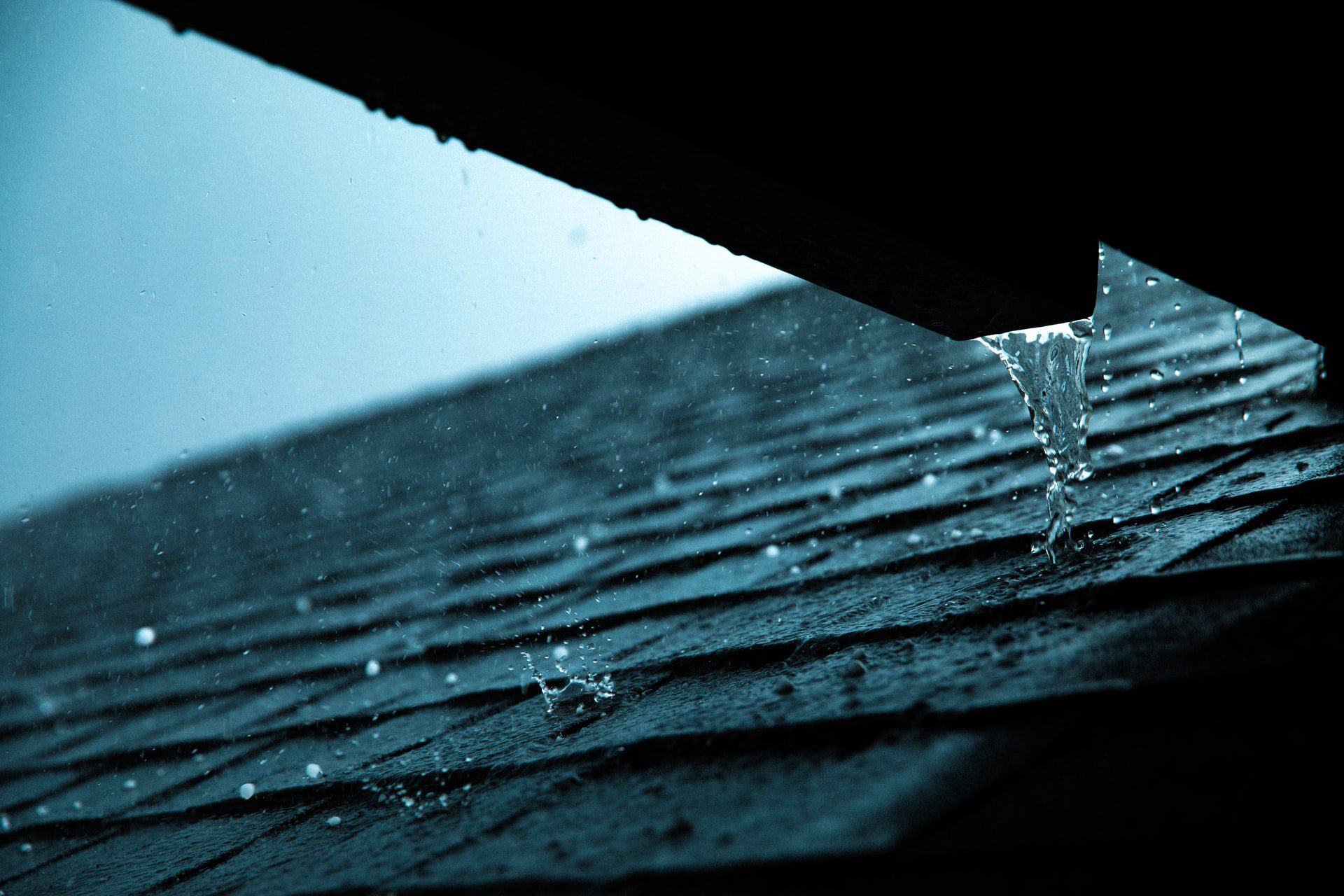
Texas is known for its random and unpredictable springtime weather, and current forecasts are showing a greater-than-average chance of hail this year. We’ve already seen a few major property-damaging storms miss our county by just a few miles! In this article, we’ll examine some steps you can take to prepare before inclement weather wreaks havoc on your home.

How Can Homeowners and Business Owners in Texas Prepare for Hail Storms Before They Strike?

Hailstorms are an unavoidable part of life in Texas, especially during the spring and summer months. The key to minimizing property damage and protecting your roof is preparation. According to the National Weather Service, severe thunderstorms are officially defined as storms that are capable of producing hail that is an inch or larger or wind gusts over 58 mph. Hail of this size can damage property such as plants, roofs, and vehicles (National Weather Service, Severe Thunderstorm Safety). By taking proactive steps before harsh weather hits and by understanding your homeowner’s insurance coverage, you can safeguard your home, your business, and your peace of mind.

Understanding Your Homeowner’s Insurance Coverage for Storm Damage

One of the most important steps you can take before a storm is to review your homeowner’s insurance policy. Many Texans don’t realize their policy may have gaps in hail or windstorm coverage until it’s too late. Confirm that your policy includes full roof replacement coverage and not just roof replacement coverage.

If you’re uncertain about your coverage, HUF Construction can help review your policy and guide you through the claims process. Our team has extensive experience working with insurance adjusters to ensure homeowners and business owners receive the compensation they deserve after a hail storm. Don’t wait for disaster to strike—know your coverage now so you’re not left paying out of pocket later.

Practical Steps to Prepare for a Hail Storm

While insurance is a safety net, preparation is your first line of defense. Here are proactive steps to take before the next storm hits Texas:

1. Schedule Regular Roof Inspections

Your roof is your home’s first barrier against hail. Loose or missing shingles, damaged flashing, and worn sealants can make your property vulnerable. Annual inspections can identify these weak points early and save you from extensive storm-related repairs.

2. Trim Trees and Clear Debris

Falling branches and flying debris are common culprits of roof damage during thunderstorms. Trim back overhanging limbs, remove loose items from your yard, and secure anything that could become airborne in high winds.

3. Replace Gravel Areas with Mulch

Gravel near your home can turn into dangerous projectiles during strong winds. Replacing gravel with mulch or another softer material is an innovative and affordable step that helps protect windows, siding, and vehicles.

4. Protect Your Garden and Outdoor Furniture

Use stakes and tarps to shield delicate plants from hail. Store outdoor furniture and potted plants indoors or in a garage before storms.

5. Develop a Family Safety Plan

When hail begins to fall, safety should be your top priority. Designate a safe area in your home—preferably away from windows—and keep pets inside. Pay attention to weather alerts and have an emergency communication plan in place.

Achieving Peace of Mind Through Storm Readiness

Preparing for a hail storm is more than just protecting your property—it’s about ensuring the safety and security of your family and business. A well-thought-out plan reduces stress, saves money, and helps you act quickly when storms approach.

At HUF Construction, we’ve seen firsthand how preparation can make all the difference. Our roofing professionals specialize in roof replacement and insurance claim support throughout Texas, including Waxahachie, Ellis County, the DFW Metroplex, Central Texas, and the Permian Basin.

If a recent storm has affected your property, don’t wait for further damage. Contact HUF Construction today for a free damage assessment. We’ll help you navigate the insurance process and restore your home or business with durable, long-lasting roofing solutions.

Preparing For Severe Weather Frequently Asked Questions

What are the signs that a hail storm is approaching?

Before a hail storm, you may notice darkening skies, strong winds, and an increase in thunder and lightning. Additionally, sudden temperature drops can indicate an impending storm. It’s crucial to stay informed by monitoring local weather reports and alerts. Many weather apps provide real-time updates and warnings, allowing you to prepare in advance. Being aware of these signs can help you take necessary precautions to protect your property and ensure your family’s safety.

How can I protect my vehicle from hail damage?

To protect your vehicle from hail damage, consider parking it in a garage or under a carport if possible. If you don’t have access to covered parking, use a hail cover or blankets to shield your car. Keeping your vehicle clean and free of debris can also help minimize damage. Regularly checking your insurance policy for comprehensive coverage can provide additional peace of mind against hail-related incidents.

What should I include in my family safety plan for storms?

Your family safety plan should include designated safe areas in your home, such as a basement or interior room away from windows. Ensure everyone knows where to go during a storm and practice drills to reinforce the plan. Keep an emergency kit stocked with essentials like food, water, flashlights, and first aid supplies. Establish a communication plan to stay connected with family members during severe weather. Regularly review and update the plan to ensure it remains effective and relevant.

How can I assess the risk of hail damage in my area?

To assess the risk of hail damage in your area, research local weather patterns and historical data on hail storms. Websites like the National Weather Service provide valuable information on storm frequency and severity. Additionally, consider consulting with local roofing professionals who can offer insights based on their experience in your region. Understanding your area’s risk can help you make informed decisions about home improvements and insurance coverage to better protect your property.

What are the benefits of impact-resistant roofing materials?

Impact-resistant roofing materials offer several advantages, particularly in hail-prone areas. These materials are designed to withstand severe conditions, reducing the likelihood of damage during hail storms. They can also lower insurance premiums, as many insurers offer discounts for homes with impact-resistant roofs. Additionally, these roofs often have longer lifespans and require less maintenance, providing homeowners with long-term savings. Investing in impact-resistant materials can enhance your home’s overall resilience and protect your investment.

What steps should I take if my roof is damaged by hail?

If your roof is damaged by hail, the first step is to ensure your safety and avoid going onto the roof until it’s safe. Document the damage with photos and contact your insurance provider to report the incident. They will guide you through the claims process. It’s also advisable to hire a professional roofing contractor to assess the damage and recommend necessary repairs or replacements. Acting quickly can prevent further damage and help restore your roof effectively.

What should I do immediately after a hail storm?

The first step is to ensure everyone’s safety. Stay indoors until the threat has completely passed. Once it’s safe, inspect your property for visible damage, particularly to your roof, windows, and vehicles. Document any damage with photos for insurance purposes. If you notice significant issues, contact your insurance provider to report the damage and begin the claims process. It’s also wise to consult a roofing professional to assess any potential hidden damage that may not be immediately visible.

How can I identify hail damage on my roof?

Identifying hail damage can be tricky, as it often requires a trained eye. Look for signs such as dents in metal surfaces, missing or cracked shingles, and granule loss on asphalt shingles. If you have a flat roof, check for punctures or tears. It’s advisable to conduct a thorough inspection after a hail storm, but if you’re unsure, hiring a professional roofing contractor can provide a comprehensive assessment and help you understand the extent of the damage.

Are there specific types of roofing materials that are more resistant to hail?

Yes, certain roofing materials are more resilient against hail damage. Metal roofs, for instance, are known for their durability and can withstand harsh conditions. Impact-resistant shingles, often rated by the Underwriters Laboratories (UL), are designed to endure hail impacts better than standard asphalt shingles. Tile and slate roofs also offer good protection due to their weight and strength. When selecting roofing materials, consider their hail rating and durability to enhance your roof‘s resilience.

What is the typical process for filing a storm damage insurance claim?

Filing a storm damage insurance claim typically involves several steps. First, report the damage to your insurance company as soon as possible. They will assign an adjuster to assess the damage. Document everything with photos and keep records of any repairs or temporary fixes you make. The adjuster will evaluate the damage and determine the payout based on your policy coverage. It’s essential to understand your policy details and work closely with your insurance agent throughout the process to ensure a smooth claim experience.

How often should I have my roof inspected for storm readiness?

It’s recommended to have your roof inspected at least once a year, ideally before the storm season begins. Regular inspections can help identify potential issues such as loose shingles, leaks, or structural weaknesses that could worsen during rain and thunderstorms. Additionally, after any significant weather, a prompt inspection is crucial to catch any damage early. Engaging a professional for these inspections can provide peace of mind and ensure your roof is prepared to withstand harsh weather conditions.

What emergency supplies should I have on hand for severe weather?

Having an emergency supply kit is essential for severe weather preparedness. Your kit should include items such as non-perishable food, water, a flashlight, batteries, a first aid kit, and necessary medications. Additionally, include important documents, a battery-powered weather radio, and a multi-tool. If you have pets, ensure you have supplies for them as well. Regularly check and update your emergency kit to ensure everything is in working order and that food and medications are not expired.

Protect Your Home with HUF Construction

Your roof is one of the most important investments in your home. Don’t wait for small problems to grow into expensive disasters. From roof leak repairs to storm restoration, our team is here to help.

We proudly serve:

Waxahachie and the DFW area
Midland, Odessa, and the entire Permian Basin
The Rio Grande Valley
Austin, TX
Benton, Illinois

Contact HUF Construction today to protect your home, roof, and safety during storm season.